


 EN
EN
 中文简体
中文简体 Deutsch
Industry News
Home / News / Industry News / Forging Process Upgrades + Lightweight Materials Drive Cost-Efficiency Breakthroughs in the Component Industry
 Home / News / Industry News / Forging Process Upgrades + Lightweight Materials Drive Cost-Efficiency Breakthroughs in the Component Industry
 Forging Process Upgrades + Lightweight Materials Drive Cost-Efficiency Breakthroughs in the Component Industry
2025-11-27
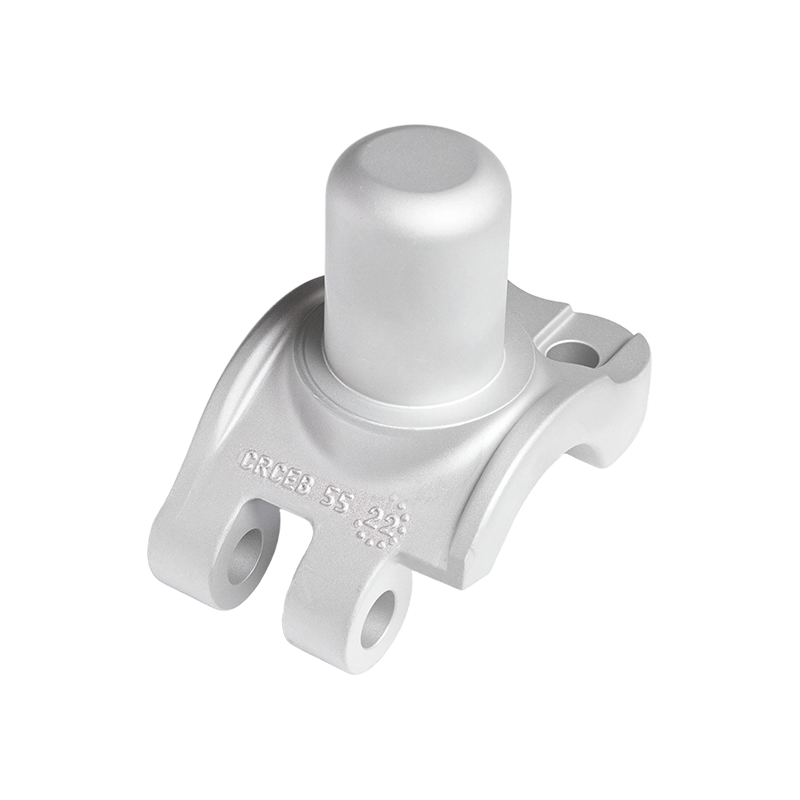
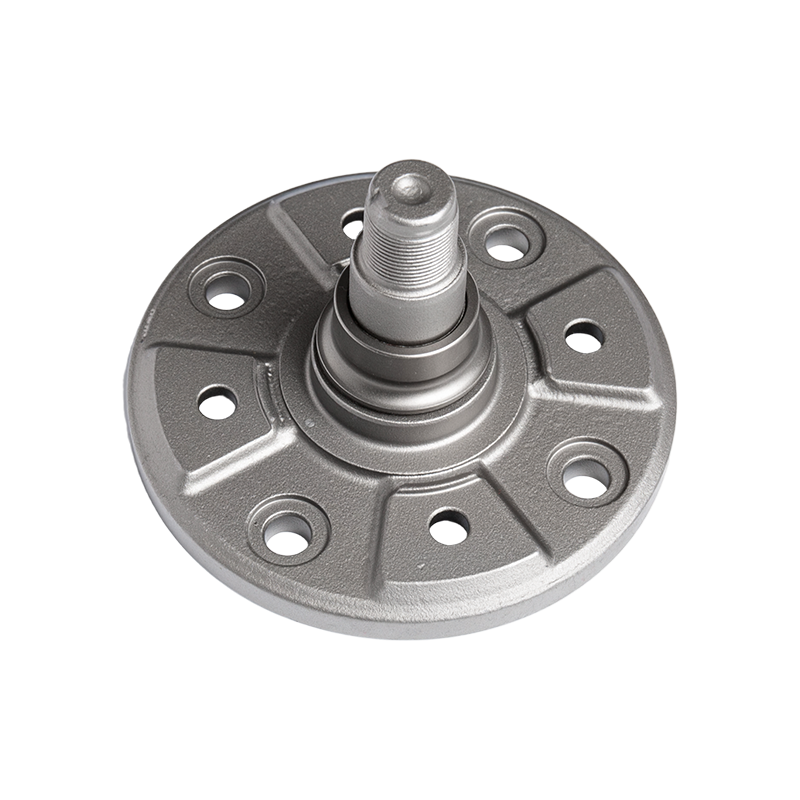
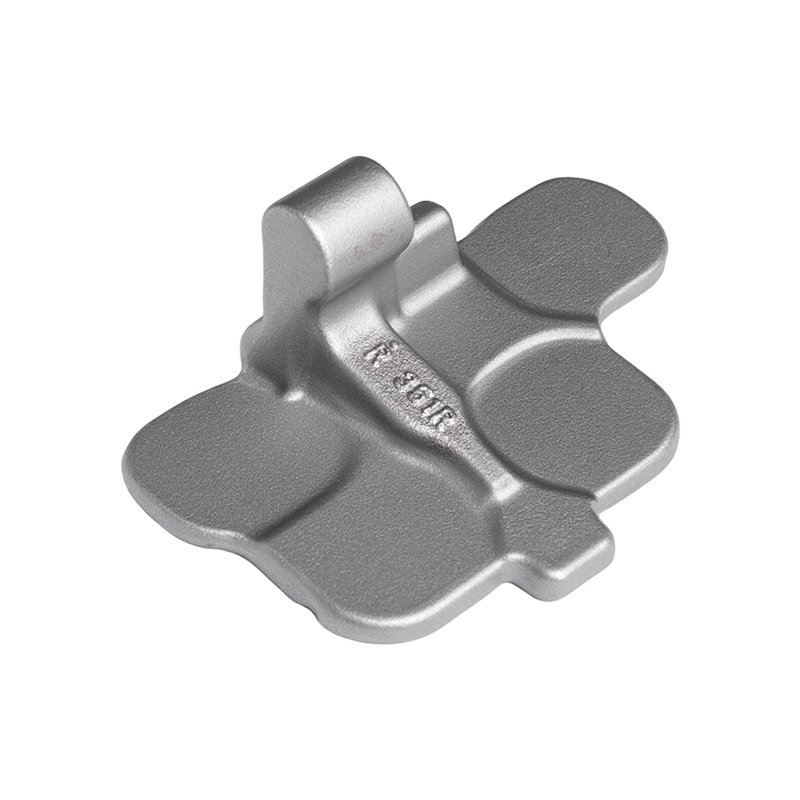
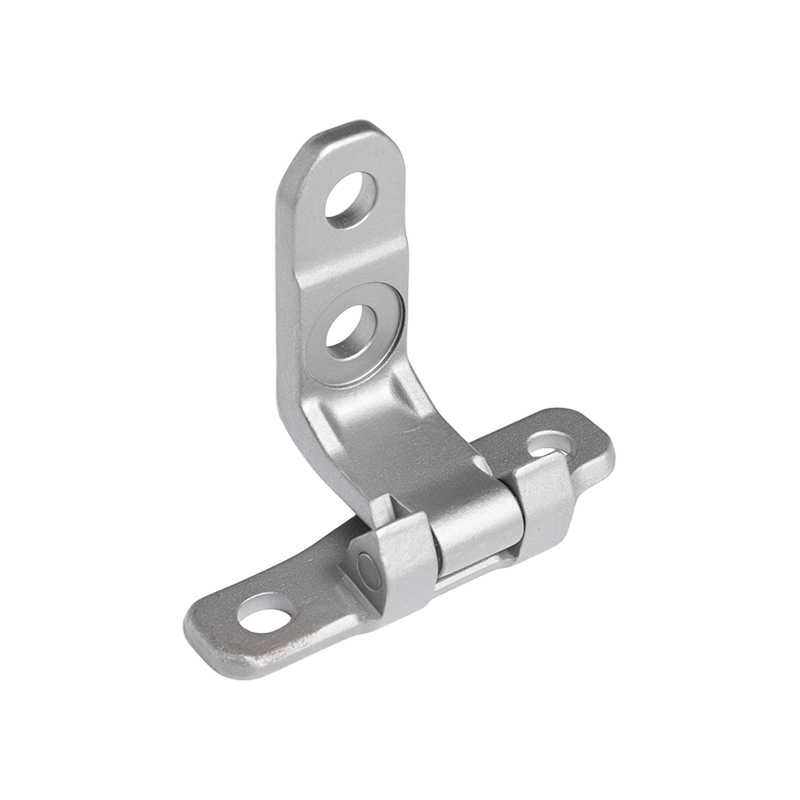
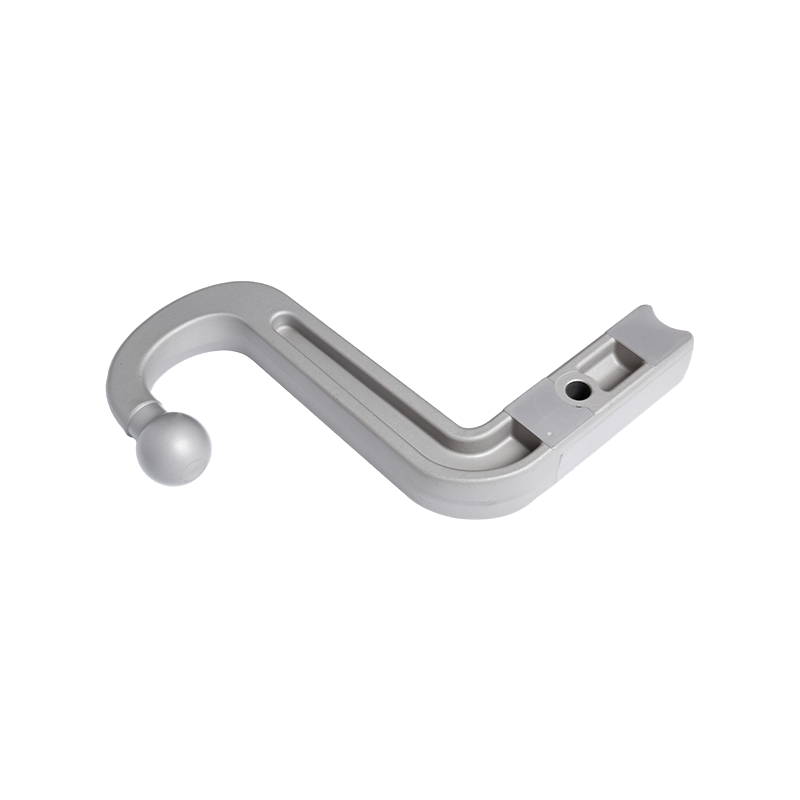
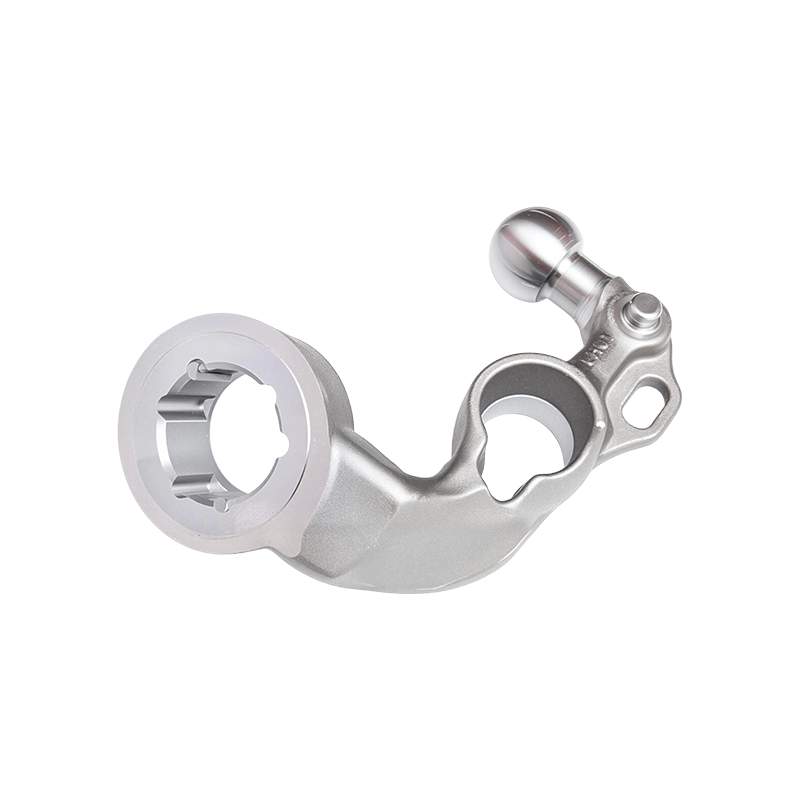
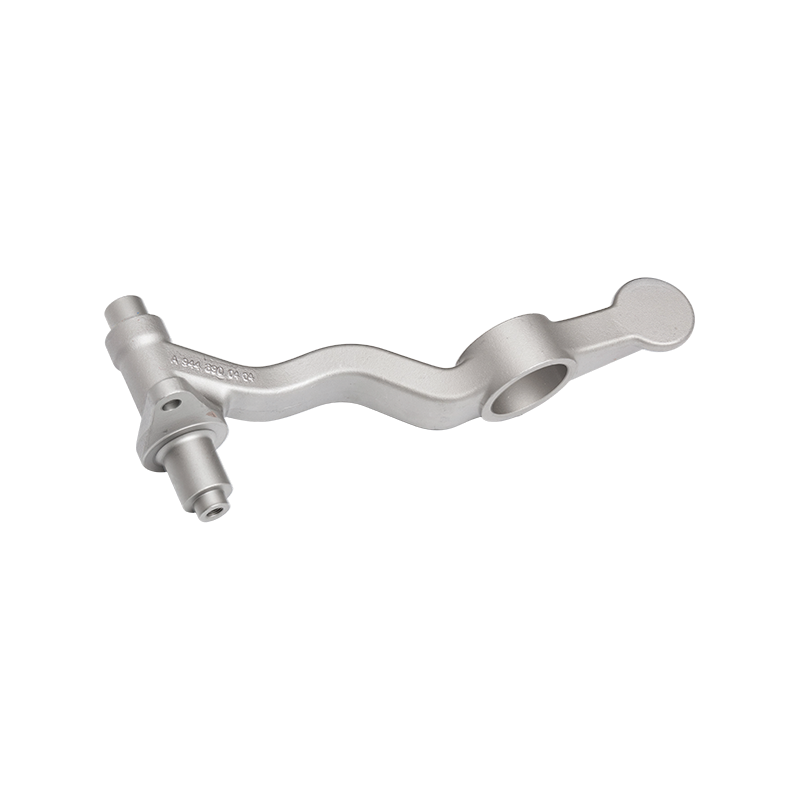
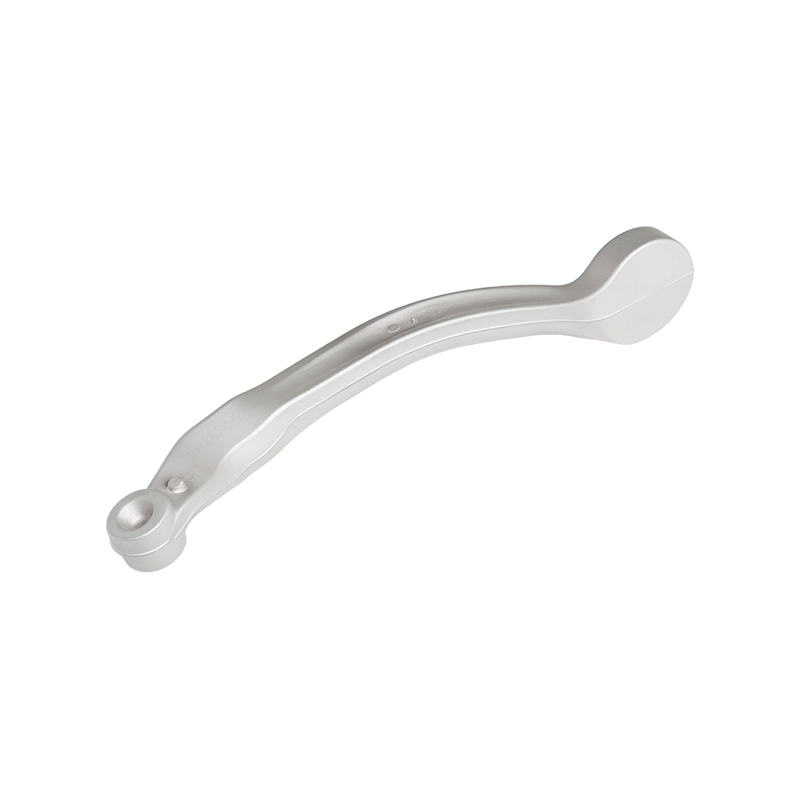
As new energy vehicles (NEVs) continue to demand "weight reduction and energy consumption cuts," the automotive and construction machinery component sectors are accelerating the integration of forging processes and advanced materials. A key industry trend now is linking large-scale press equipment (400T-1600T class) with CNC production lines, paired with new processes like semi-solid injection molding, to overcome traditional bottlenecks in lightweight materials (e.g., magnesium alloys). This has not only increased the maximum single-part weight from 5kg to 17kg but also reduced porosity from over 5% to below 1.5%, while boosting material utilization to 85%.
Take automotive structural parts as an example: A 20-inch magnesium alloy wheel (high-strength and corrosion-resistant) is 35% lighter than its aluminum alloy counterpart. E-drive housings manufactured via thixotropic injection molding achieve integrated production, cutting 8 processing steps while increasing thermal conductivity by 15%—directly improving NEV range by 2%-8%. Industry data shows such "process + material" upgrade solutions can help enterprises reduce production costs by over 20%, and they have now been scaled in both OE supply and aftermarket segments.
CONTACT US -
GET A QUOTE
For project inquiries, fill in the form or contact us directly—our team responds promptly.
Zhejiang Longhu Forging Co., Ltd.
- forging_zj@chinalonghu.com
- longhu@chinalonghu.com
- +(86)-572-8238888
- +(86)-572-8239768
- No. 55, Ganshan Industrial zone, Deqing County, Zhejiang Province, China
Xuancheng Longhu Precision
Technology Co., Ltd.
- forging_xc@chinalonghu.com
- +(86)-563-2527787
- No.18, Xingye Road, Xuanzhou District, Xuancheng City, Anhui Province, China
Deqing Longhu Import and Export
Trade Co., Ltd.
- longhu@chinalonghu.com
- +(86)-572-8239807
- +(86)-572-8239878
- No. 55, Ganshan Industrial Zone, Deging County, Zhejiang Province, China
Copyright © Zhejiang Longhu Forging Co., Ltd.
All Rights Reserved.
